
14241 SW 120 ST Suite #107
Miami, FL 33186
Miami, FL 33186
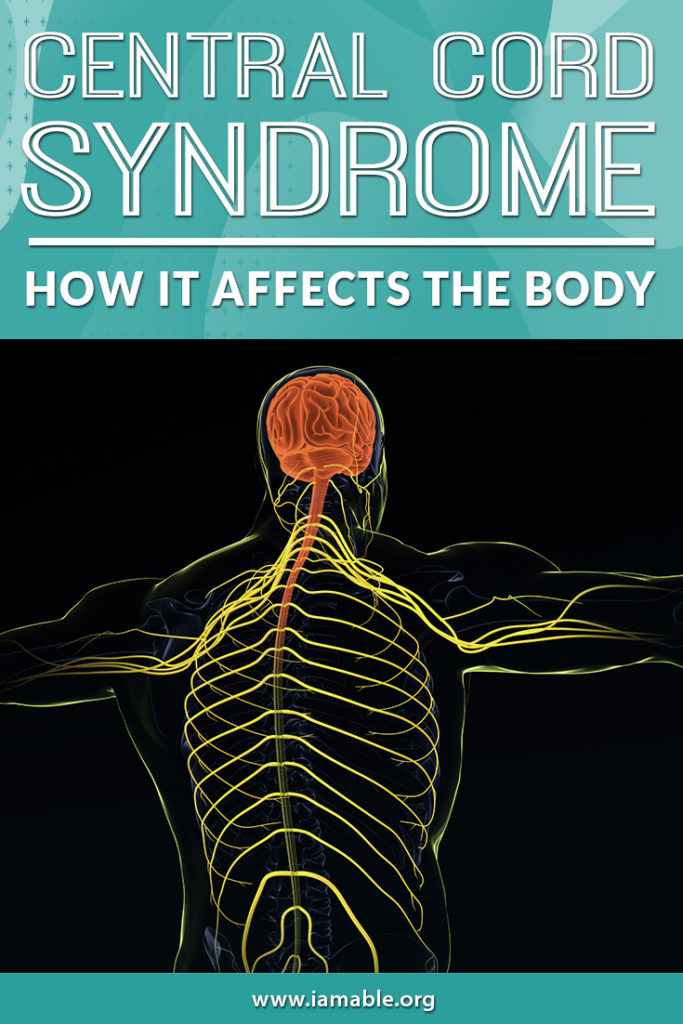
Today we will discuss a type of injury called central cord syndrome (CCS). What is this condition that can cause limb weakness and partial paralysis (paresis)? We will define this condition, discuss the symptoms, and explain how to manage this syndrome with a mix of traditional and modern rehabilitation techniques. This will give you some of the information you will need to select the right neuro rehab center for your recovery program.
First, we want to get a good definition of this condition. Central Cord Syndrome refers to an incomplete spinal cord injury. In other words, the damage to the spinal cord is not complete to the point where paralysis occurs below the injury. However, there is enough damage to cause symptoms below the spinal cord injury. That is why it is called incomplete, whereas a complete injury would result in paralysis. We can get a better understanding of central cord syndrome by discussing the symptoms.
The symptoms of central cord syndrome will vary depending on how severe the injury is and its location. However, the majority of patients are over the age of 50, and the damage is most often in the cervical spine (neck). When an incomplete injury occurs at this height on the spine, it usually results in the following problems:
Sometimes, CCS is the result of a traumatic injury, which leads to a hospital visit. At other times, you may experience a gradual onset of symptoms due to wear and tear. In this case, you may notice symptoms getting worse to the point where your general practitioner will recommend a spine specialist or even a neurosurgeon. Three primary tests can provide a proper diagnosis.
While it is rare, there may be times when surgical intervention can help relieve spinal cord compression. If imaging technology reveals the need for decompression or stabilization, then you may get a recommendation for a neurosurgeon. If surgery is not a recommended course, then there are plenty of non-surgical ways to approach CCS available from a neuro rehab center. Non-surgical treatment will also be likely during the aftermath of surgery since the intervention is more likely to lessen symptoms than to make CCS go away altogether. What are some forms of non-surgical therapy for central cord syndrome?
In southern Florida, iAM ABLE provides all of the neuro rehab center therapies that you need for your recovery. To get started, download our eBook: 7 Unbelievable Important Steps to Take to Thrive after Paralysis. It can even encourage you if you are dealing with paresis and face a long recovery. Then give us a call at 305.283.9717 to get the neuro rehab center treatments you need to maximize your outcome.
Grab our free e-book 7 Unbelievably Important Steps to Take to THRIVE after Paralysis by clicking the image below.

Free guide: The SCI Recovery Roadmap — what to do in the first 90 days after discharge.
Send Me the Roadmap